Sensing
AMRs are equipped with various sensors (like cameras, LiDAR, ultrasonic sensors) to perceive their environment. These sensors help the robot to create a map of its surroundings and detect obstacles.
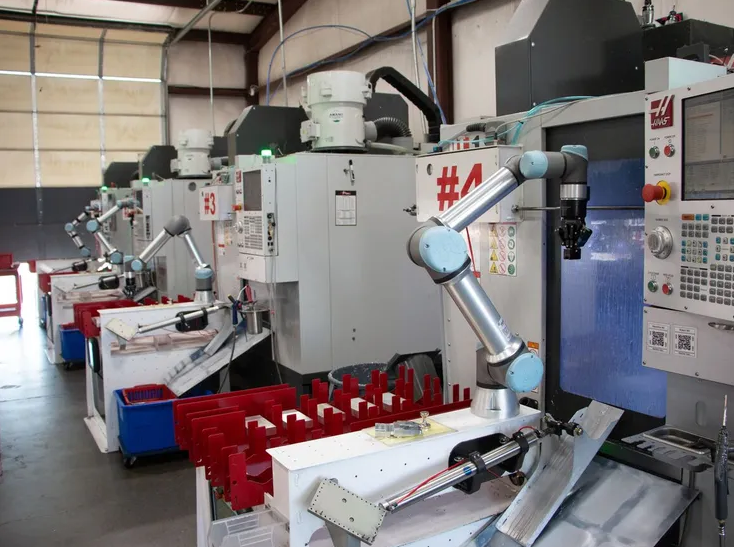
The AMRs are designed to optimize productivity in logistics and manufacturing operations. The AMRs make your employees more efficient by allowing them to focus on higher-value activities, while shortening lead time, reducing the risk of bottlenecks, and optimizing safety.
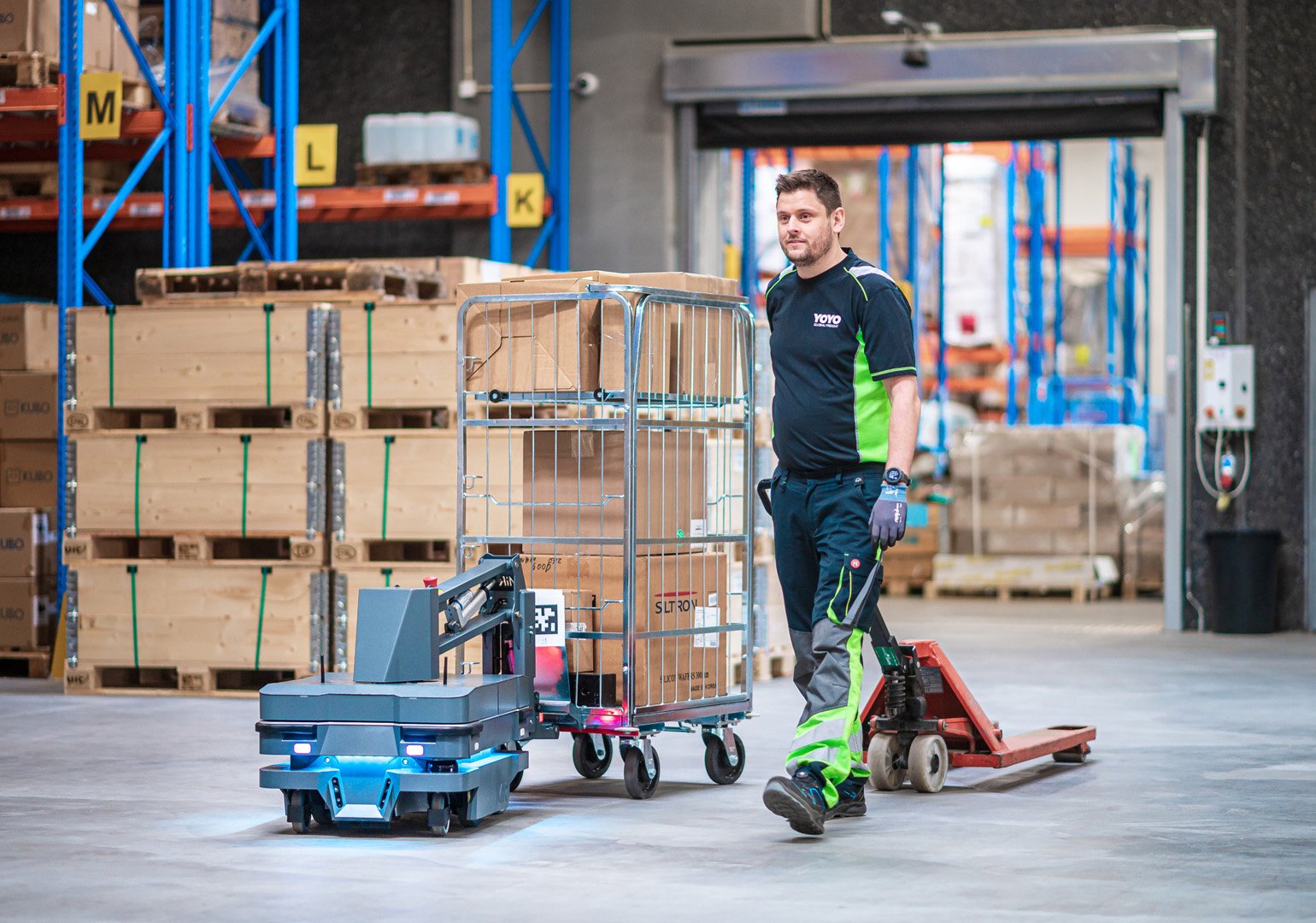
Autonomous Mobile Robots are advanced robots that can move and operate independently in an uncontrolled environment without the need for physical or electromechanical guidance devices. They are often used in industrial settings for tasks such as material handling and transportation.
AMRs are equipped with various sensors (like cameras, LiDAR, ultrasonic sensors) to perceive their environment. These sensors help the robot to create a map of its surroundings and detect obstacles.
The data collected by the sensors is processed by an onboard computer. This computer uses algorithms to interpret the sensor data, plan the path, and make decisions.
Based on the decisions made by the computer, the robot actuates its motors to move in the environment. It can navigate to specific locations, avoid obstacles, and perform tasks like picking up and transporting items.
AMRs can communicate with other systems (like a warehouse management system) and other robots. This allows them to coordinate their tasks and share information about the environment.
Many AMRs have machine learning capabilities. This means they can learn from their experiences, adapt to new situations, and improve their performance over time.
These are just a few of the many benefits that AMRs can bring to an industrial company. The actual benefits can vary depending on the specific use case and implementation.
Related news
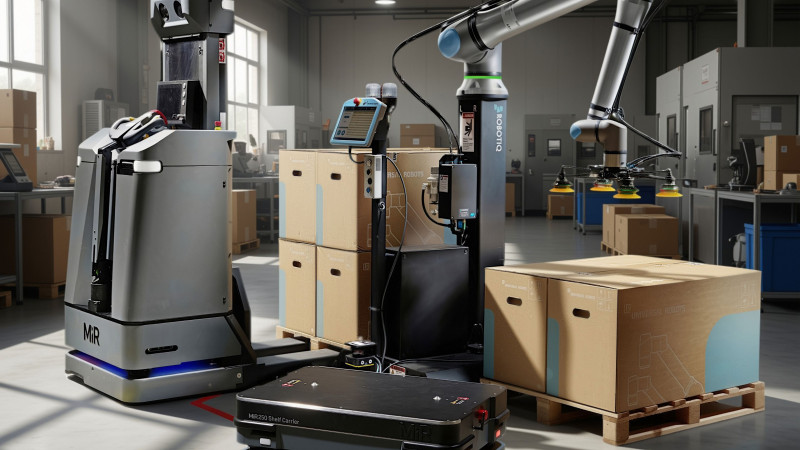
Tech-Con Romania expands the boundaries of automation after 30 years in business with an automation portfolio featuring mobile robots, autonomous pallet transport and mobile collaborative robotics solutions.
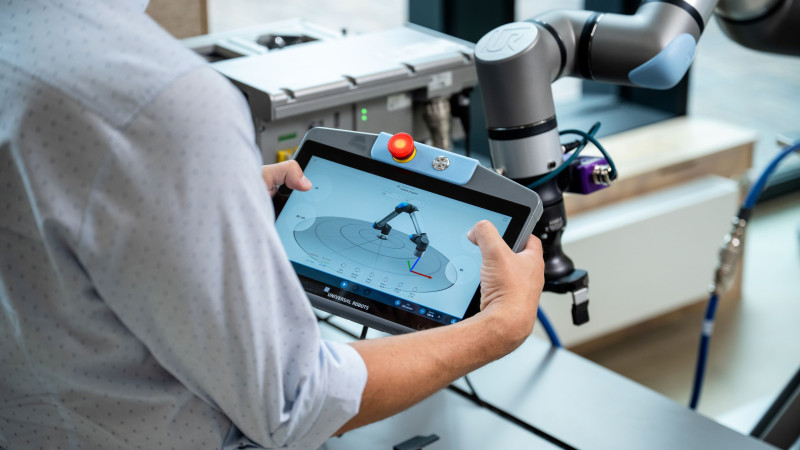
We are proud to bring you the next generation of physical AI and cobot technology. Universal Robots unveils Gen 7, a new platform for industrial automation and physical AI deployment.
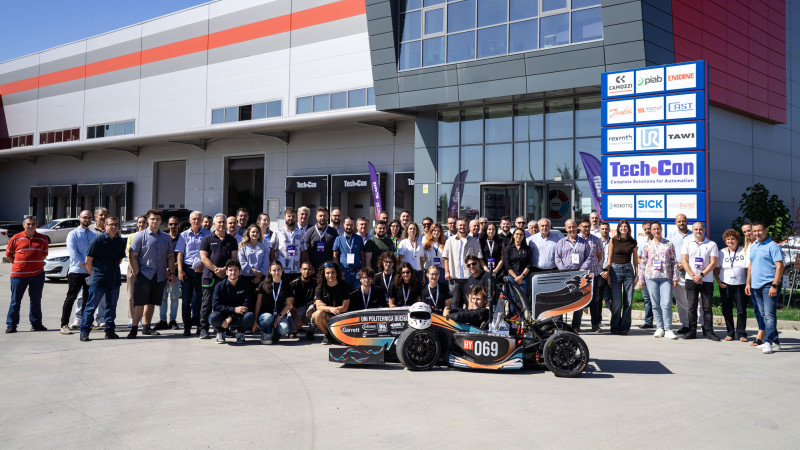
30 years of experience. 30 years of partnerships. 30 years of innovation. Thank you for being part of the Tech-Con story!

We are the official distributor of AirTAC pneumatic components in Czech Republic.
Interested in more details?
Do you need support for choosing the right product or solution from our portfolio? Share your inquiry below and we will get back to you shortly.