From robotic arms to mobile robots
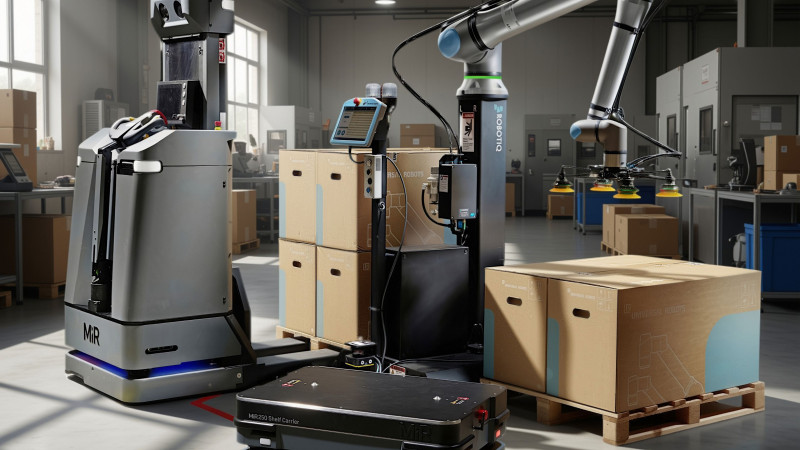
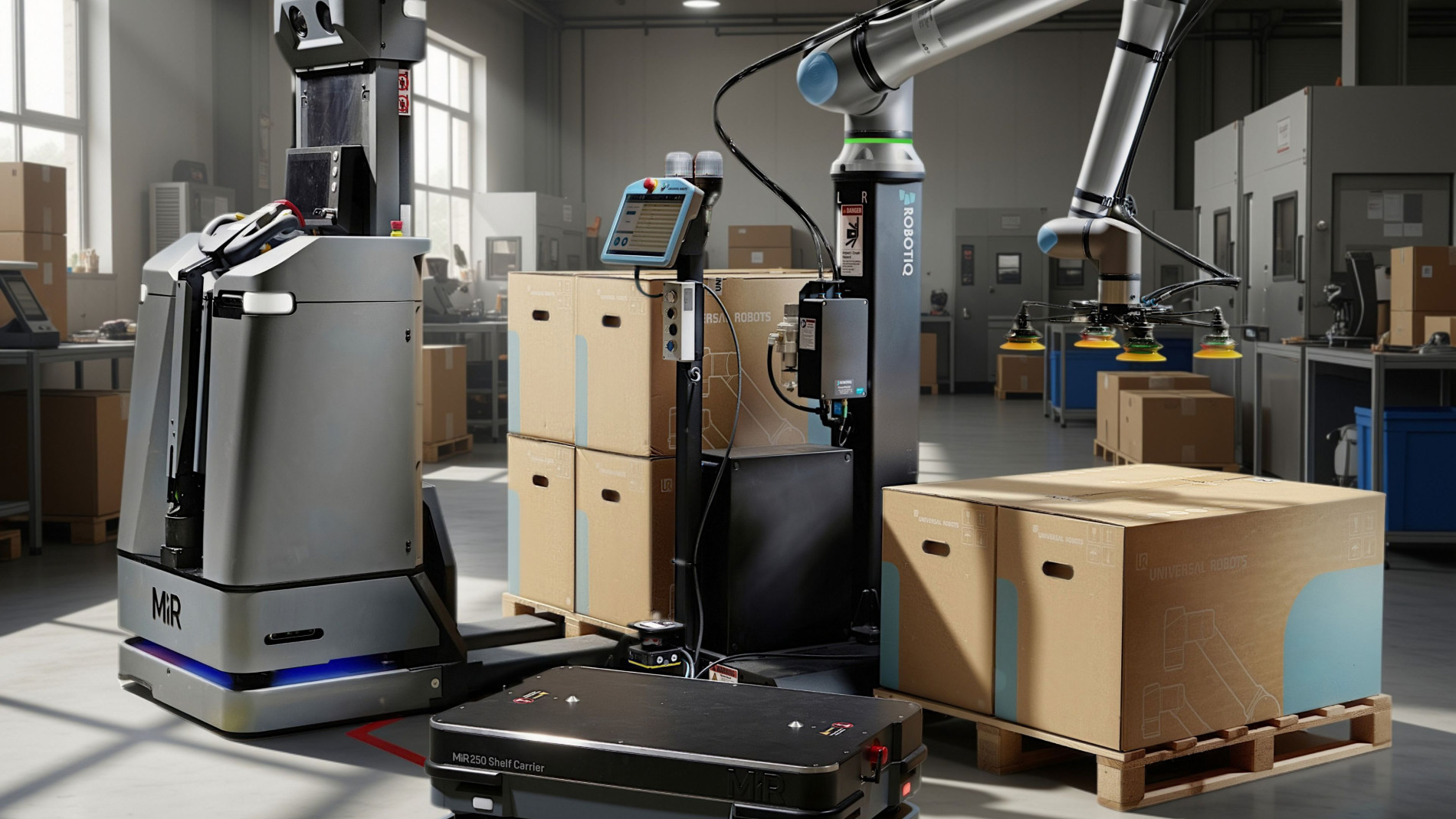
Tech-Con Romania expands the boundaries of automation after 30 years in business with an automation portfolio featuring mobile robots, autonomous pallet transport and mobile collaborative robotics solutions.
In manufacturing today, the stopped machinery is the most expensive item, not the robot. If a CNC machining centre is not producing because there is no one to operate it; if there is no one at the end of the assembly line to pack the finished product, the loss incurred is greater than any labour cost. According to Tech-Con’s experts, this is precisely the situation in an increasing number of domestic factories. In this environment, a collaborative robot is a tool where the question is no longer whether we need one. The question is where to put it and what not to use it for.
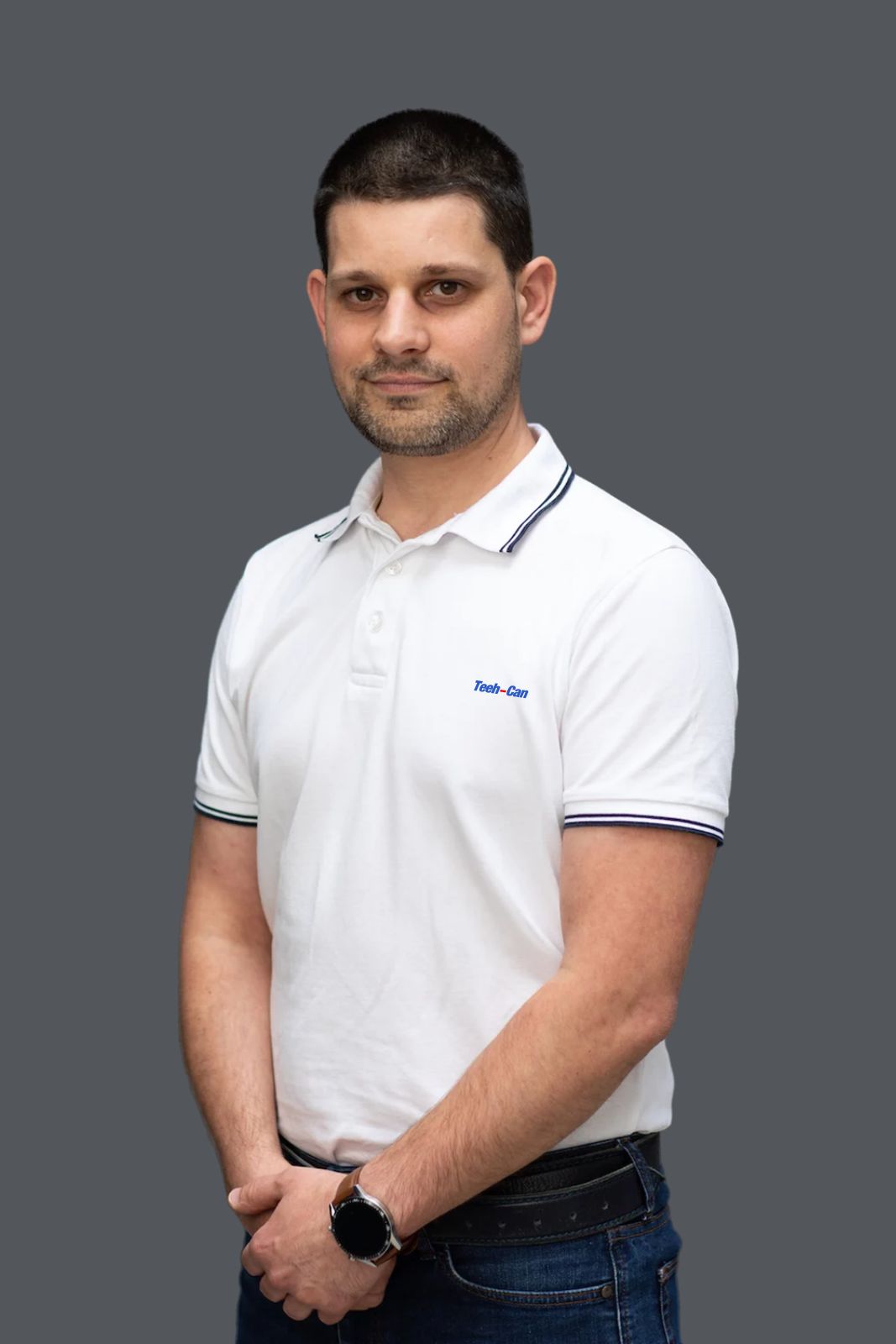
Viktor Szaszkó is the head of Tech-Con Hungária’s robotics division. The company has been the Hungarian distributor of collaborative robots for the Danish firm Universal Robots since 2020 and has also represented the autonomous mobile robots of its sister brand, Mobile Industrial Robots, since 2024. Viktor joined the company in 2015 as a mechanical engineering product manager; prior to that, he worked as a design engineer in industrial automation. He built up the robotics division from scratch: initially, he worked on it alone, with the help of the company’s former managing director.
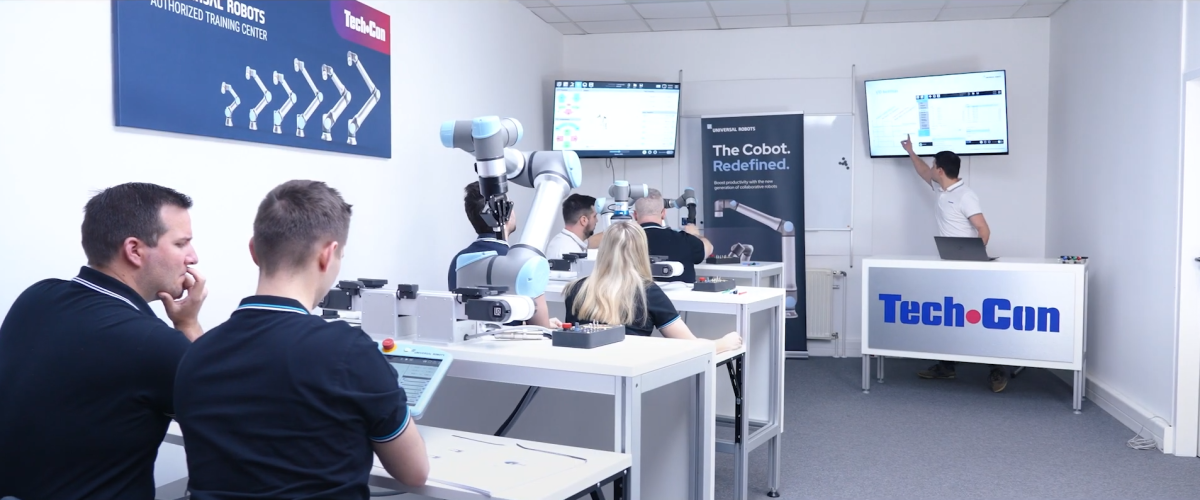
The initial phase took place on the open road. Viktor put the demo robot, which the company had purchased, into the trunk of his car, and over the first two years he gave around 60–70 demonstrations at companies of all sizes.
“I took my little UR3e robot arm with its 500-millimetre arm along, and they looked at it as though to say, ‘What’s this child’s toy, and what’s it for?’ They weren’t familiar with the technology, they didn’t know the brand, and they couldn’t imagine what the difference was between an industrial robot and this one.” – recalls the division manager.
The market has turned around in five years. By his own admission, over the past two or three years he can count on one hand the number of times he’s had to give a demonstration.
Enquiries sound different these days: the company already knows it wants to automate using a collaborative robot, and either asks where to place it or comes with a specific idea in mind. Many integrate the robot they’ve bought ‘out of the box’ themselves, because their colleagues have already had experience with it.
However, this growing interest does not automatically translate into orders. According to Viktor, the Hungarian market has become accustomed to EU subsidies: many companies know that an investment would pay for itself within two or three years, yet they still wait for the next call for proposals. Some are reluctant to embark on a major investment because they can only see as far as the coming year. The group’s Czech and Polish subsidiaries also encounter this attitude, but such a high degree of dependence on subsidies is not typical there.
Tech-Con’s engineers regularly walk clients’ production lines and during these linewalks they check what the operators are doing at each production unit.
“After a while, your eyes get used to it. For eight hours on end, the operator does nothing but pick up a product from a tray, place it in the laser engraver, press a green button, wait two minutes, take it out, and move it to another tray. The added value of this manual labour is zero.” – explains Viktor.
In such cases, the recommendation is always the same: the operator should be moved to a role where they can at least use their eyes or their brain, whilst a robot should be placed alongside the machine.
These days, when Tech-Con’s specialists walk through the factory gates, they are increasingly greeted with this request: they need a few robots here, because they cannot find any staff, or cannot find anyone they would dare to entrust the process to.
Viktor believes that the vast majority of the last ten enquiries concerned replacing operators, whilst only a small proportion were about improving quality. Yet the root cause of quality issues is often the same: the process has to be simplified to such an extent that anyone can be put in that role, and even then, their concentration wanes.
Someone who is working at 100 per cent at eight o’clock in the morning will not be able to produce the same output or quality six hours later.
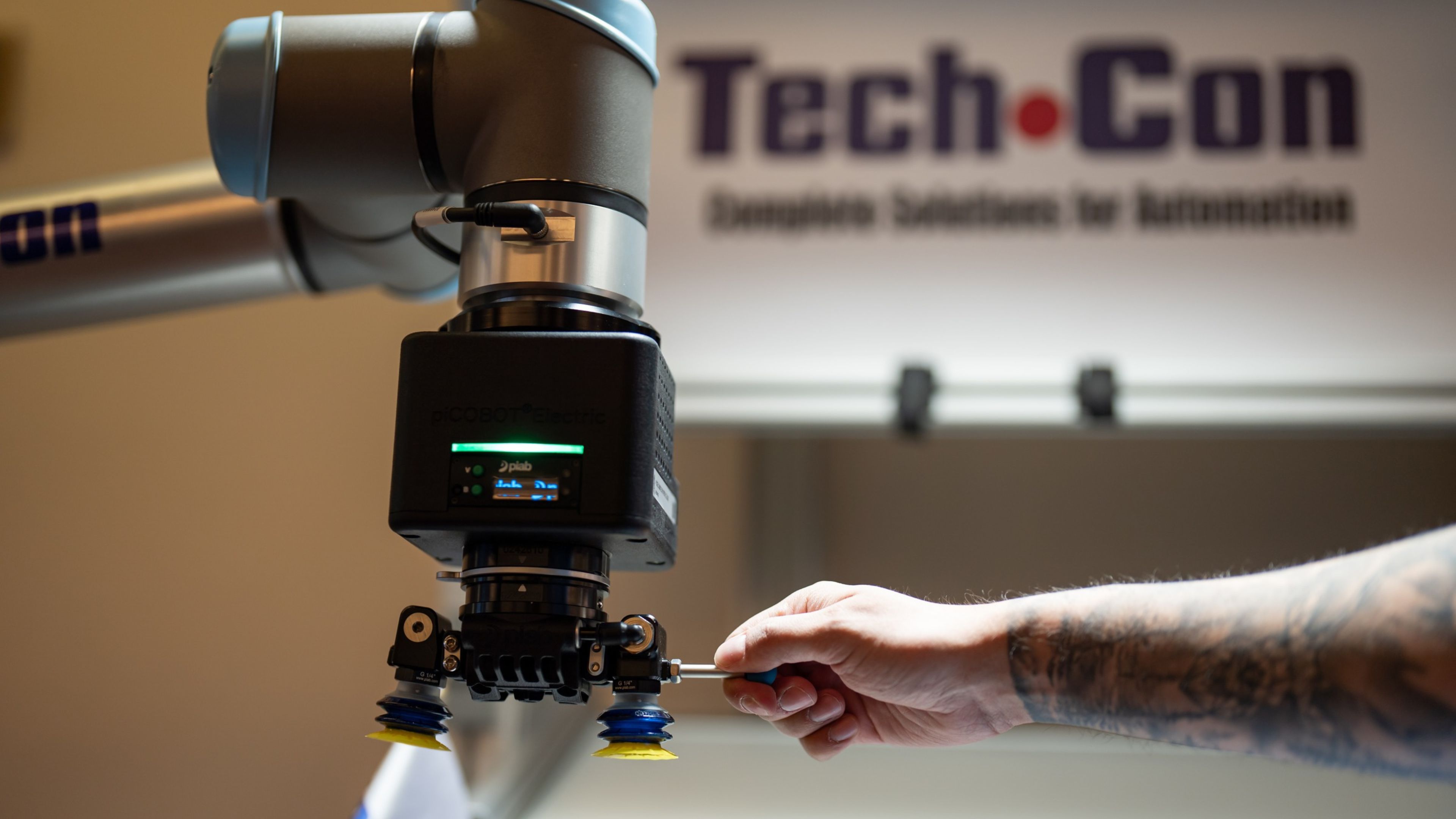
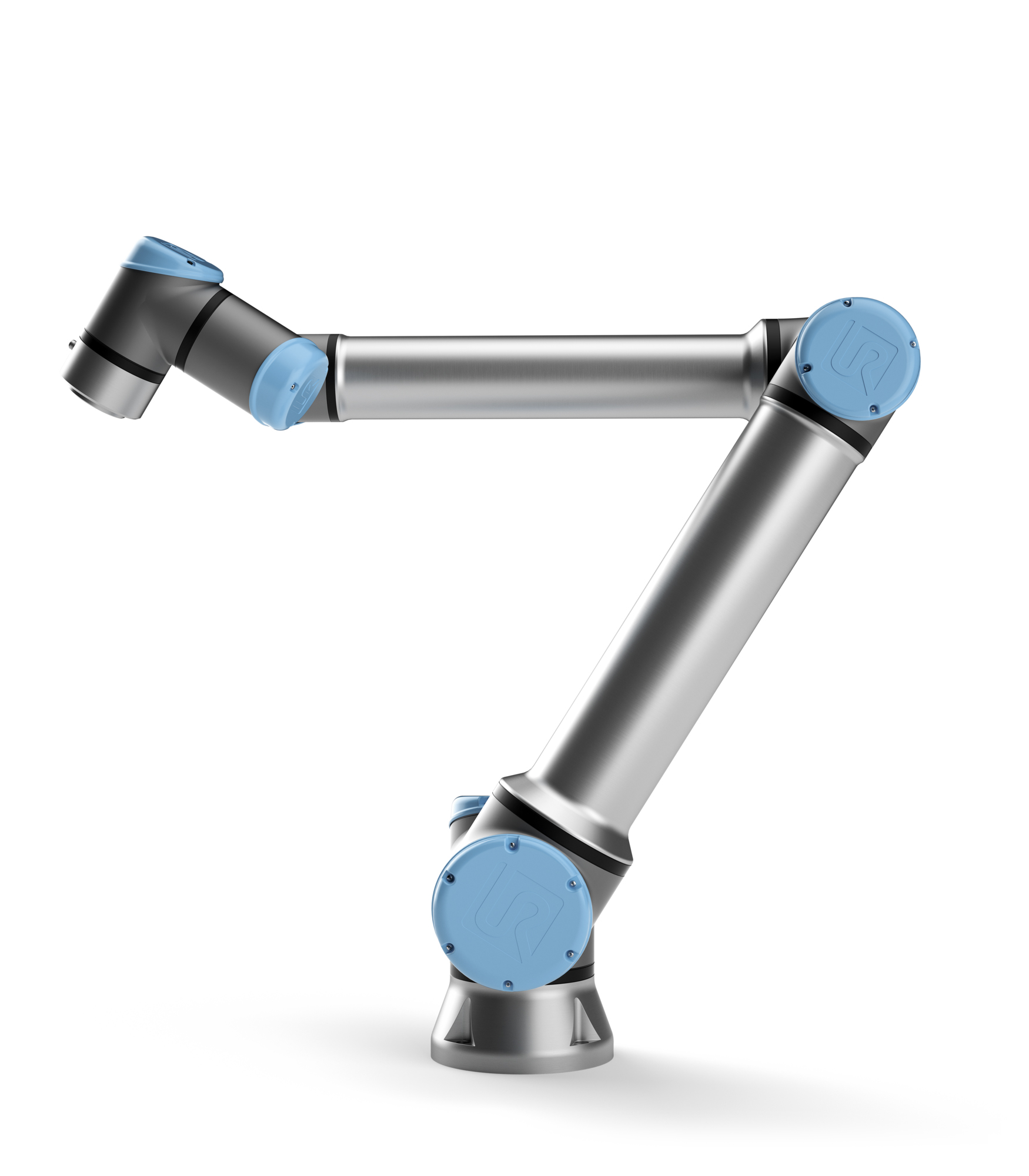
The UR12e is a re-rated version of the previous UR10e: the manufacturer renamed the model in May 2025 and since then the robotic arm has been listed in the product range with a payload of 12 kg and a reach of 1,300 mm. Viktor adds that the re-rating was accompanied by a price reduction.
“In terms of value for money, this is currently the best choice. The UR10e was, and still is, our top-selling robotic arm, as this size covers the majority of tasks.” – Viktor points out. According to the company’s own sales figures to date, the size 10 and 12 count for more than half of all robots sold.
The 12-kilogramme size class covers the majority of tasks because, in Hungarian factories, the combined weight of the typical workpiece and the gripper falls within this range. Furthermore, no operator can reach a distance greater than the UR12e’s arm reach whilst seated.
According to Viktor, the UR12e’s hardware is identical to that of the previous UR10e, apart from a few minor modifications. What today’s customer gets as an added bonus is the enhanced software: the PolyScope X interface, which is a platform independent of the robot type.
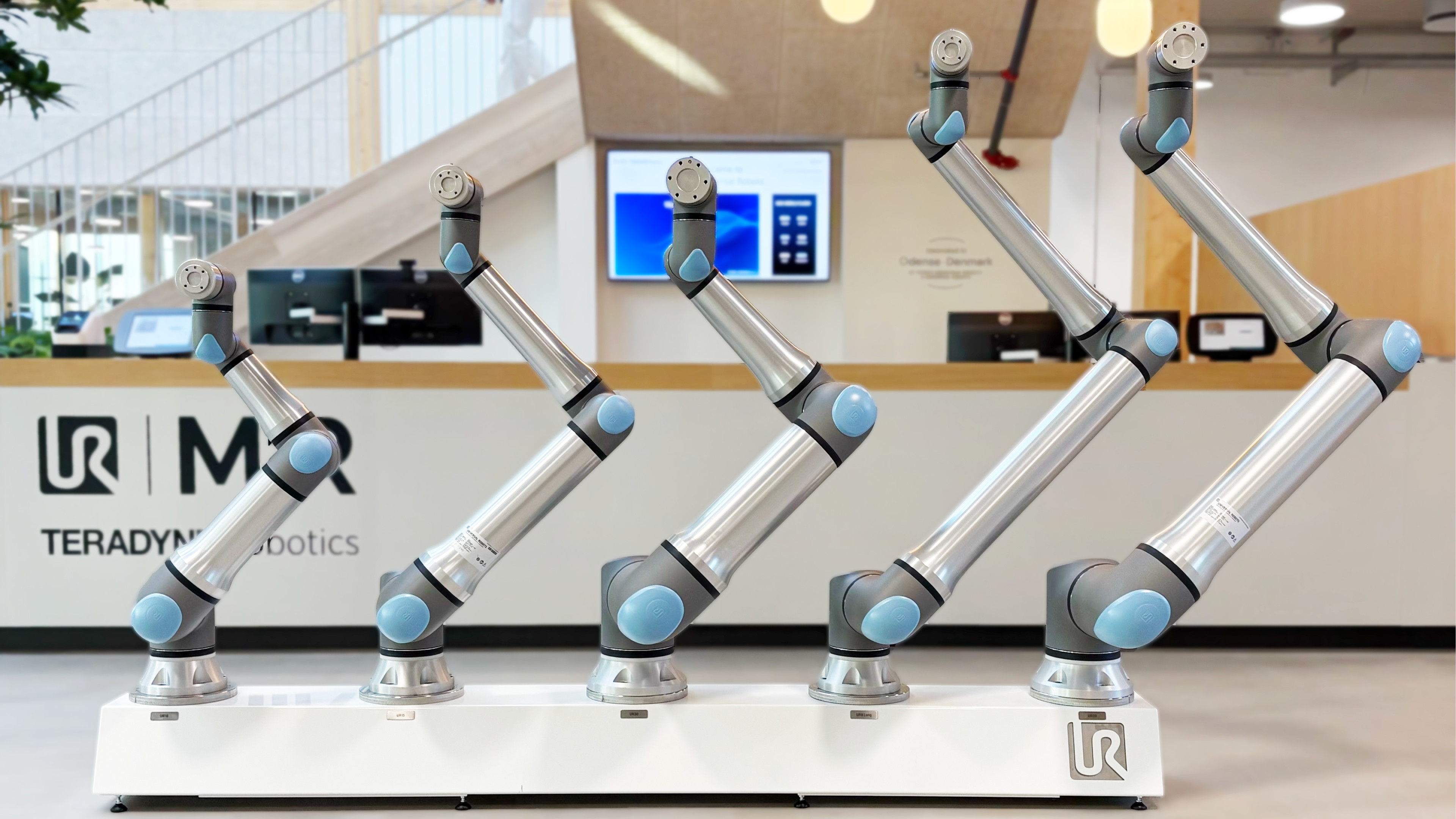
Meanwhile, the UR range is already moving towards the next generation. Universal Robots recently unveiled its seventh generation of robots (Gen 7), and according to Viktor, the UR10g-1750 model is the reimagined successor to the UR10e and UR12e. According to Tech-Con’s data, the arm has a reach of 1,750 mm, whilst the tool centre point (TCP) speed can reach 5 m/s. The Ethernet, power and I/O connectors integrated into the tool flange reduce the amount of cabling required when connecting the gripper and the camera. “A modern design tailored to industrial requirements.” – summarises Viktor, who expects the new arm to quickly become popular in domestic factories. You can read more about the Gen 7 platform in the Tech-Con news article.
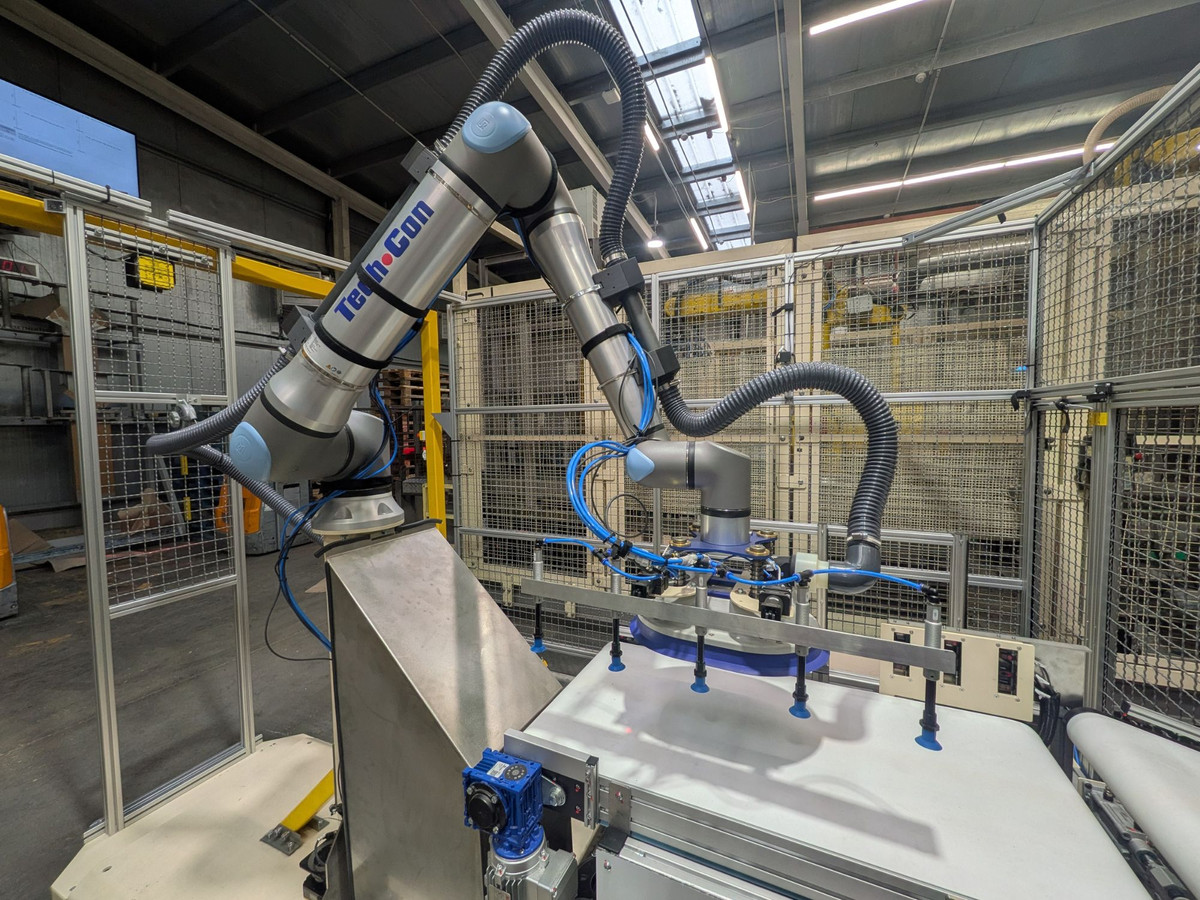
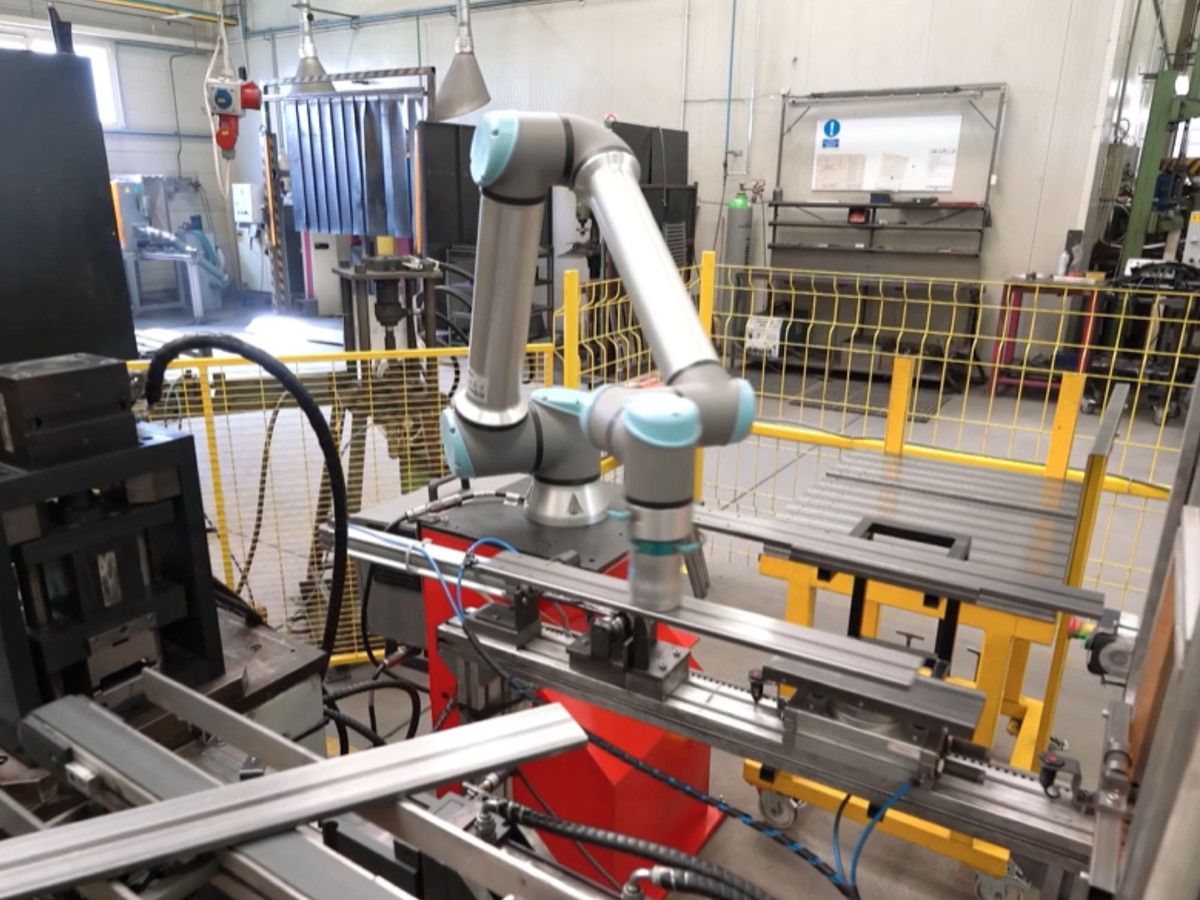
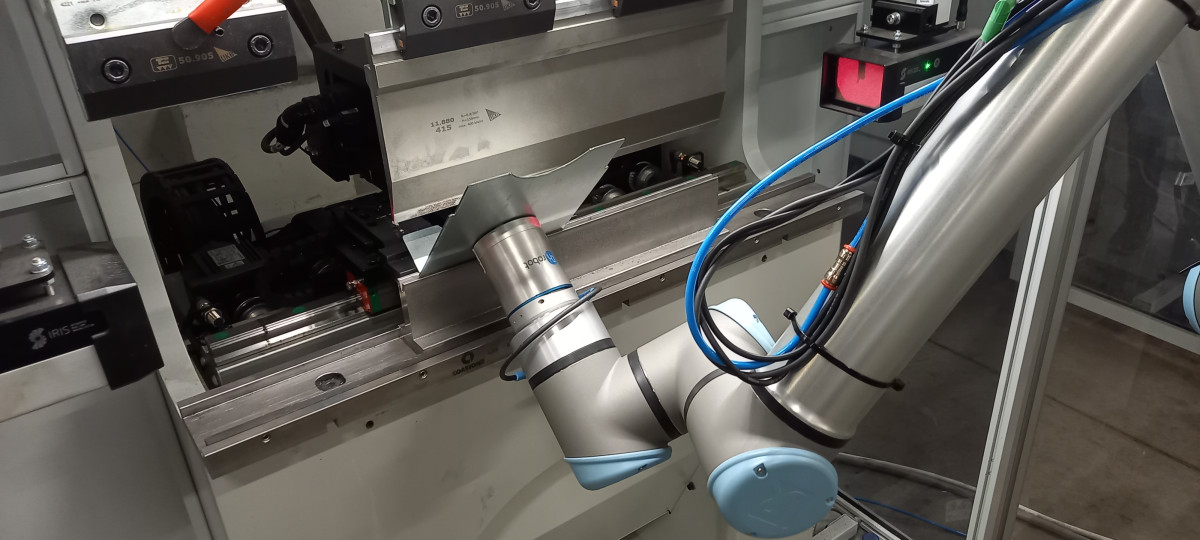
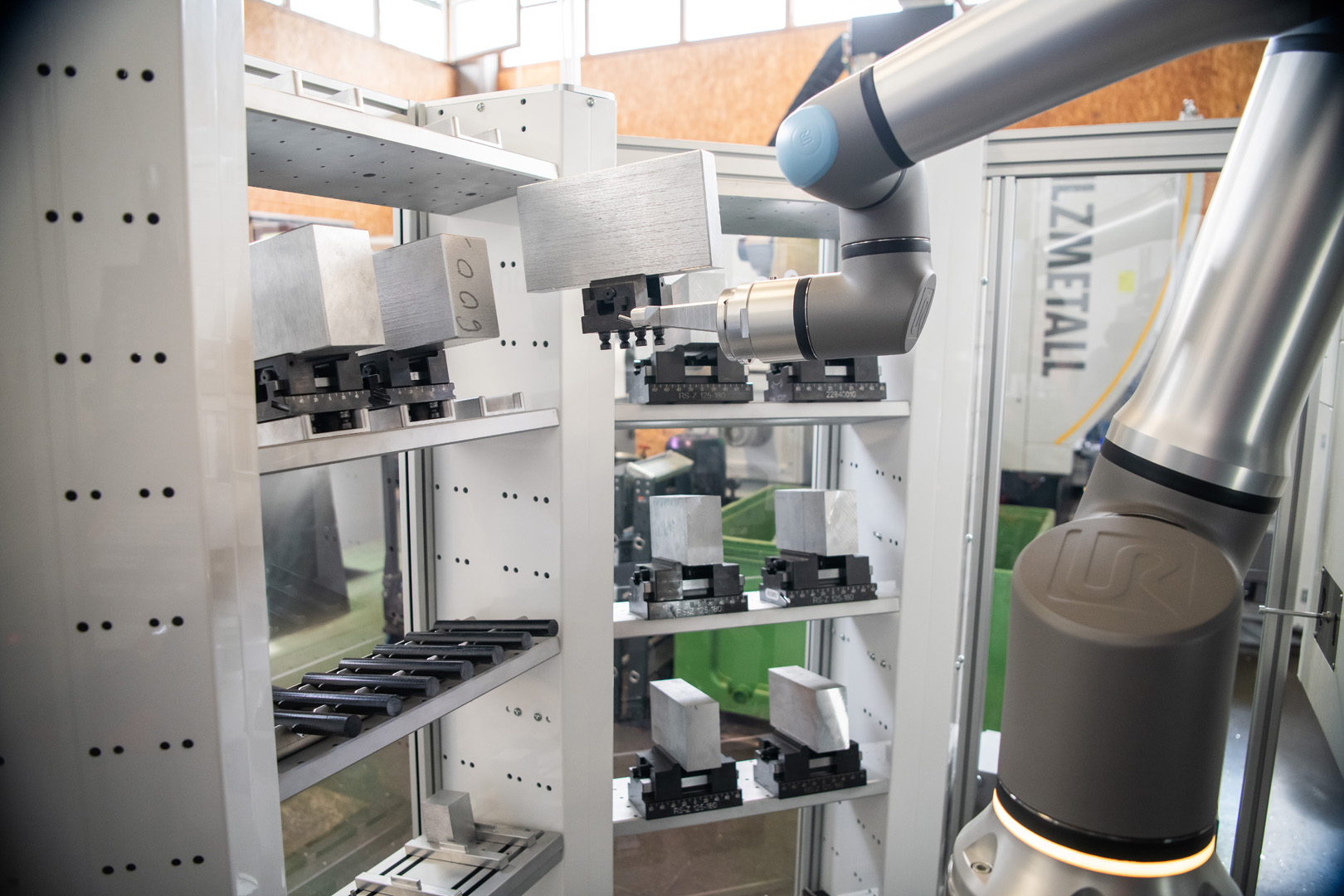
Among Tech-Con’s installations, the most common application is machine tending: the robot removes the finished part, loads the blank, and the machine can thus run the cycle without an operator. For this to work, the machine must communicate with the robot. Where the machine’s control system cannot be modified, Tech-Con uses a separate system to handle signal transmission, and the automation of the machine’s door is often part of the project.
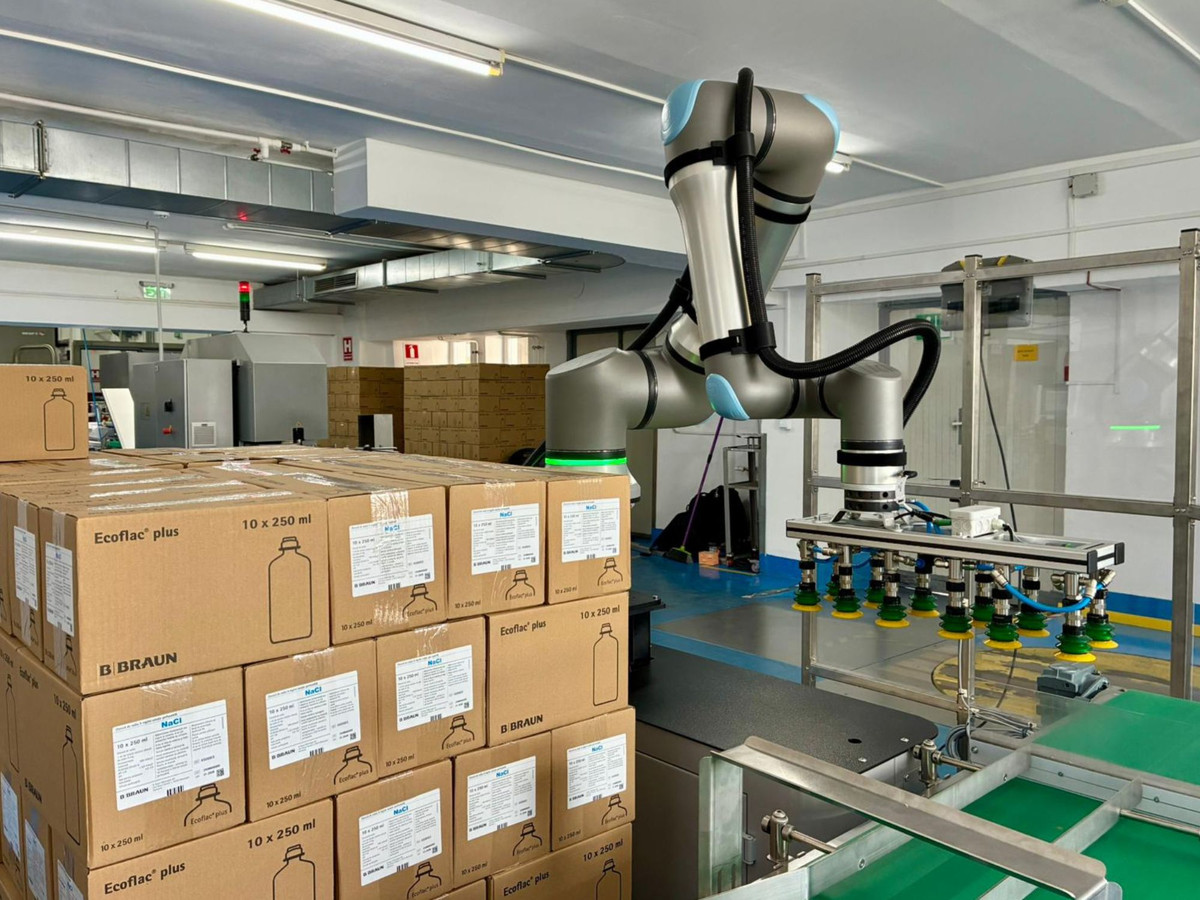
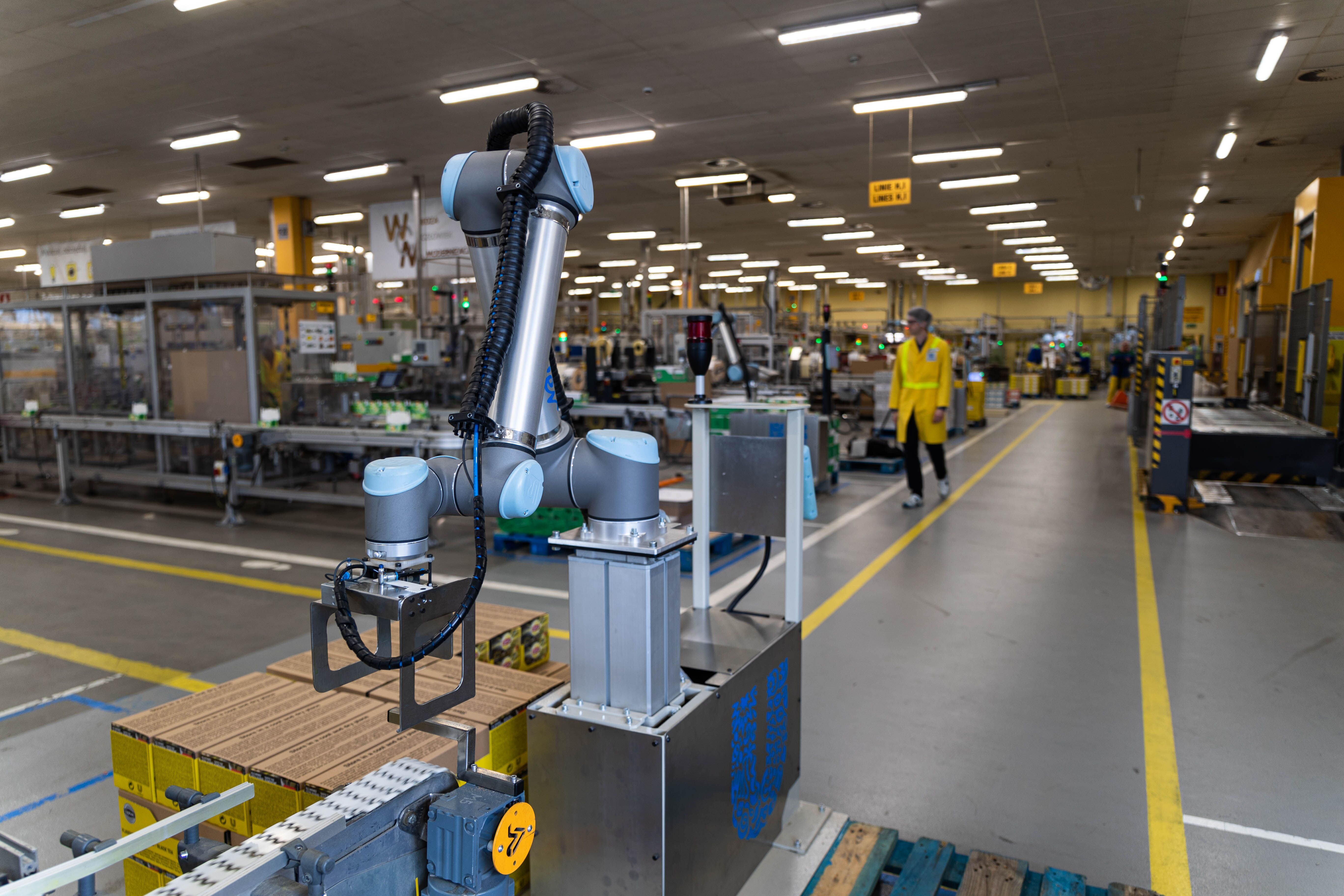
The second major area is end-of-line palletising, where the company has successfully completed numerous projects using its own in-house palletising unit. Here, however, larger robots are required due to the heavier loads and longer reach. Models above the UR12e have been designed for much more specific tasks: the UR20, with a payload of 25 kg and a reach of 1,750 mm, is primarily intended for palletising, whilst the UR30 is designed for handling heavy loads.
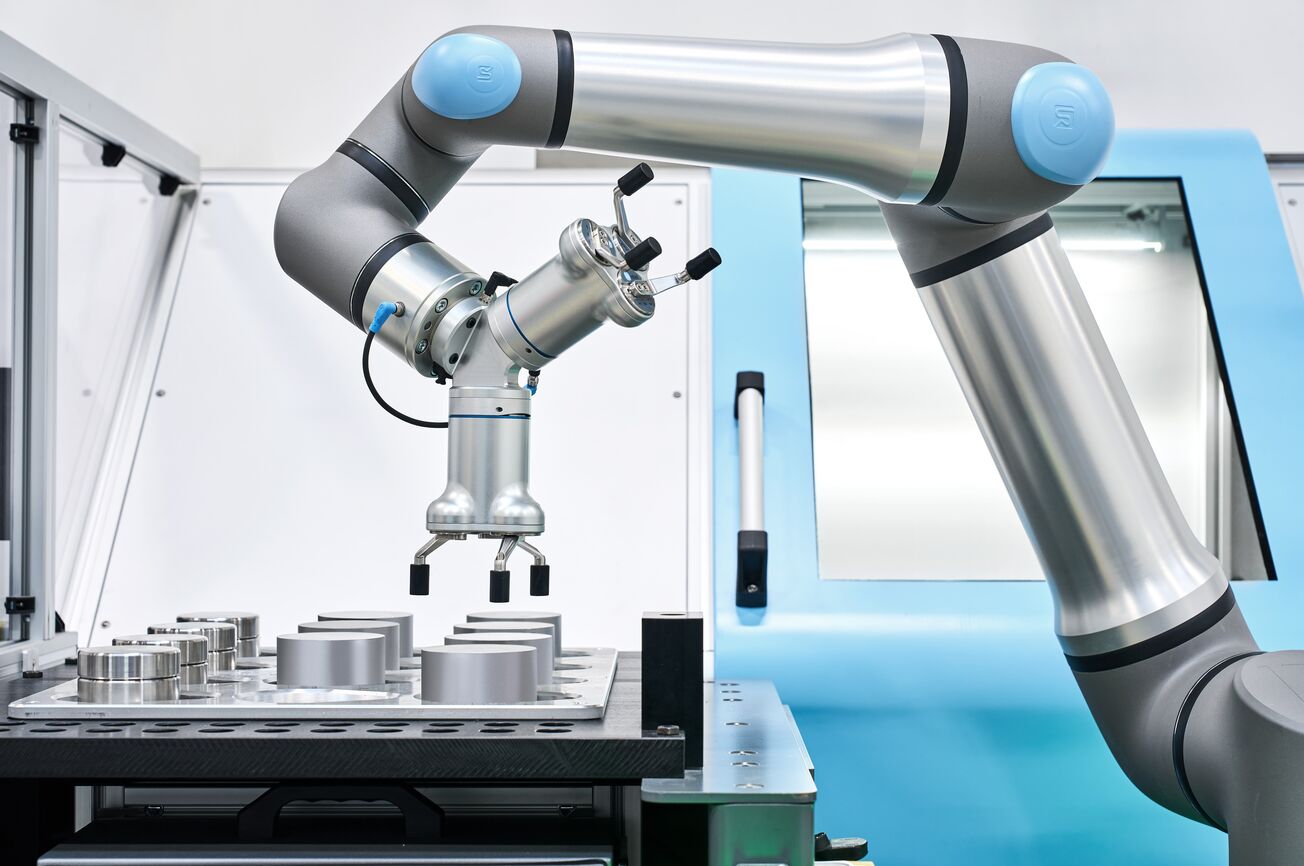
The third area is Pick&Place, where the robot moves a product or component from point ‘A’ to point ‘B’, whilst also checking its quality, for example. In addition to these, the company has also implemented measuring machine tending, a PLC-controlled screwdriving cell, and the removal and deburring of injection-moulded parts using UR arms. In a customer’s metrology room, for example, a collaborative robot operates the coordinate measuring machine, ensuring that parts arriving from production are measured automatically.
When selecting the first application, Viktor looks at two criteria. There must be sufficient volume – in other words, a product and process that runs continuously on the machine for at least two or three days. And the speeds of the machine and the robot must be compatible: if a single cycle takes five seconds, a collaborative robot would not be a good choice for operating the machine.
Communication between the machine and the robot is a lesser obstacle; Tech-Con has so far been able to resolve this in every instance.
According to Viktor, once a robot weighs more than twenty kilograms, the distinction between collaborative and industrial robots becomes blurred; however, the robot’s size alone does not determine its classification.
“There’s no such thing as a collaborative robot. There are collaborative applications, and a risk assessment determines whether you can use a robot in a collaborative setting. The emphasis is on the collaborative task.” – the expert points out.
Many people have asked him whether the robot’s collaborative function can be switched off. With Universal Robots this cannot be disabled, so the robot cannot be used as a conventional industrial robot. The reverse is also true: no industrial robot is capable of operating in collaborative mode. The differences between industrial and collaborative robots, as well as the payload and reach of the UR models, are summarised on Tech-Con’s collaborative robotics page.
The lightweight design of collaborative robots often gives a misleading impression. According to the manufacturer’s data sheet, the UR12e weighs 33.5 kg and, as Viktor explains, it can move a 10 kg load on its arm at speeds of up to 2 m/s. Many people tend to underestimate the dynamic forces generated during movement.
“They’re underestimating the load-bearing capacity. They’re designing it to be mounted on an aluminium profile system that’s fixed with screws, and that bends and warps. A robot of size 10 or larger is meant to be mounted on a welded steel frame, not drilled onto an 18-gauge furniture board.” – explains Viktor.
The shaking is also reflected in the control system. The robot constantly monitors the forces and vibrations acting upon it, which is why a loose frame is interpreted by the programme as a gripping or positioning error. If the frame is not securely fixed to the floor, it may shift over time.
Another common question concerns the gripper. The gripper’s weight is included in the 12 kg payload, so the effective payload depends on the gripper. Lightweight models can weigh less than one kilogram, whilst the UR+ programme’s plug-and-play collaborative grippers can be connected to the robot using pre-fitted connectors, without the need for any additional communication setup. If required, Tech-Con can design and manufacture bespoke grippers itself.
When asked about return on investment, Viktor responds with a series of counter-questions. What is the operator’s total employer cost, from the staff canteen scheme to social security contributions? What is the most critical issue with the application: are staff not turning up for work, is the reject rate high, or should production be increased? And what is the budget they have in mind?
“Your partner might think this can be done for 25,000 euros, and if you don’t ask but just go in with a quote of 120,000 euros, they won’t even ask back. If you ask what the budget is, you can suggest an alternative: Don’t even think about a robot; let’s look at a conveyor belt or an actuator system that fits within the budget.” – Viktor adds.
A simple palletising application can be implemented for as little as 60,000 euros, although this always depends on the product and the gripper. In practice, the company has found that the robot itself accounts for around 60 per cent of the cost of a simple palletising cell, with integration and programming being the next biggest expenses. A collaborative robot can be programmed for a simple task in as little as a day; with an industrial robot, however, this can take twice as long, according to Viktor’s experience. As the daily rate for an external industrial robot programmer is around 600–700 euros, the simplicity of the software translates into direct savings. By way of comparison: Tech-Con’s two-day training course costs 750 euros, and by the end of the second day, even a participant with no prior experience can put together a simple application.
“There’s one very important point I’d like to clarify: during negotiations, clients often talk about ROI when they’re actually referring to the payback period. It’s important to recognise the difference: whilst payback shows how many months it takes to recoup our investment, ROI is the return on investment, in other words, the project’s profitability as a percentage.” – Viktor explains.
For example, in the case of a CNC machine operation, Viktor estimates the excess machine time to be at least 25–30 per cent: the machine continues to operate during lunch breaks and shift changes; there are no 5–10-minute coffee breaks; and a single operator can operate up to five machines if there are two to three hours’ worth of workpieces waiting in the robot cell’s raw material store.
Calculations rarely take into account the ease with which a collaborative robot can be relocated, even though there have been several instances where, following the decommissioning of a production line, the robot has been relocated to a new production line to work on the next product.
According to Viktor, in a company where low-value products are manufactured in small batches on 30–40-year-old machines – and, what’s more, on a single shift – a robot won’t pay for itself, and at many such plants he wouldn’t even have had to get out of the car.
“Harnessing a racehorse to the plough,” says the business unit manager.
Yet there is a counterexample. A factory in Pest County injection-moulds plastic components; according to Viktor’s estimate, the production cost of the product is around 1,500 forints, and there is virtually never any scrap. During the initial site visit, it seemed certain that they would not be buying a robot here. The company eventually installed two robots: the robot removes the part from the injection moulding machine and carries out the deburring, a task that was previously done by hand, in a cumbersome and hazardous manner.
The arrival of Chinese manufacturers is driving prices down, and Viktor expects that most Hungarian plant managers will give them a try at some point. His response to this is not one of rejection.
“Buy it and give it a go.” he says, before going on to describe a case study of his own. On a low-budget project, Tech-Con took the complete palletising demo unit to the client’s packing line, and within an hour and a half the robot was stacking the boxes instead of the operator. In the end, however, the client opted for the Chinese alternative: for the same amount of money, they bought two or three Chinese robots, which cost as much as the UR cell would have done. The result? One of our staff spent three weeks struggling on site before managing to extract any meaningful results from them, and the system still does not operate 100 per cent reliably to this day.
Another company replaced its existing robots with Chinese models, and according to Viktor, they didn’t even last a year on the production line. So, at the end of the day, which is more expensive: a Chinese robot that’s just sitting there, tying up the company’s money, or a more expensive European robot that’s producing from day one?
However, the picture is not black and white. Two years ago, the hardware, programming and software of Chinese cobots were still in their infancy; today, however, one or two manufacturers already offer suitable hardware and a usable user interface, and have even found competent Hungarian partners. What they still lack, however, is stable, immediate local support and a service infrastructure.
“If necessary, we’ll be there within twelve hours. We’ll provide a replacement part, or, if the situation requires it, a complete replacement robot whilst the other one is being serviced. Chinese manufacturers are not yet able to offer this: in many cases, you have to wait weeks even for a single part.” – he emphasises.
Tech-Con provides a free call-out service for repairs covered by the warranty; customers are only required to pay call-out charges for scheduled, non-warranty servicing.
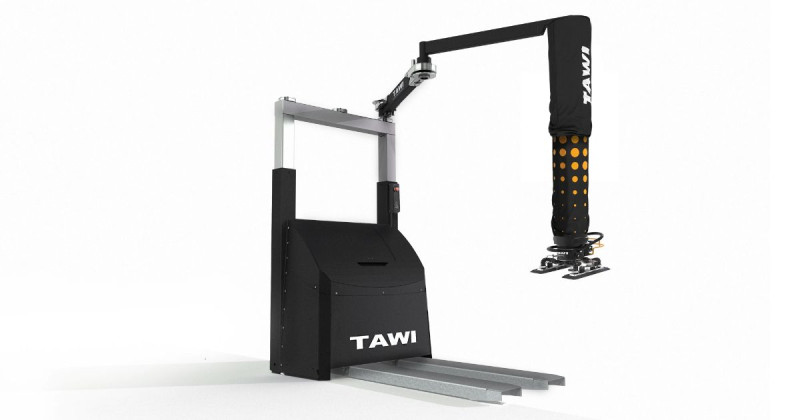
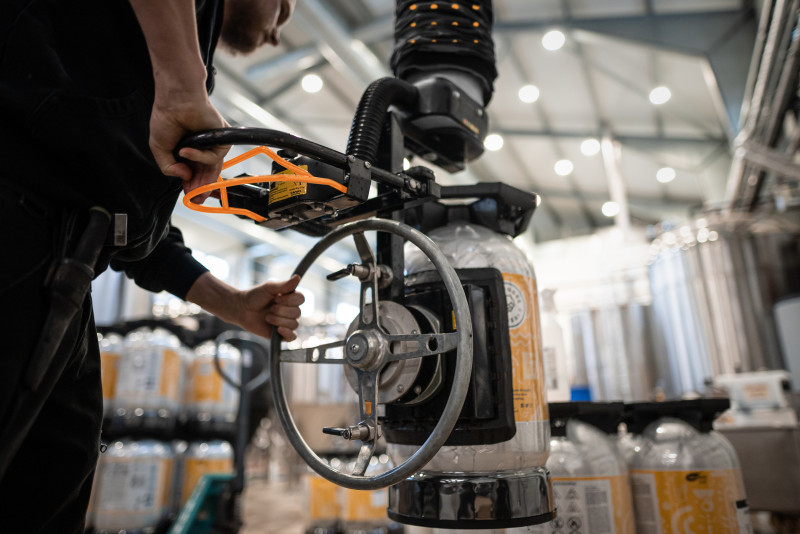
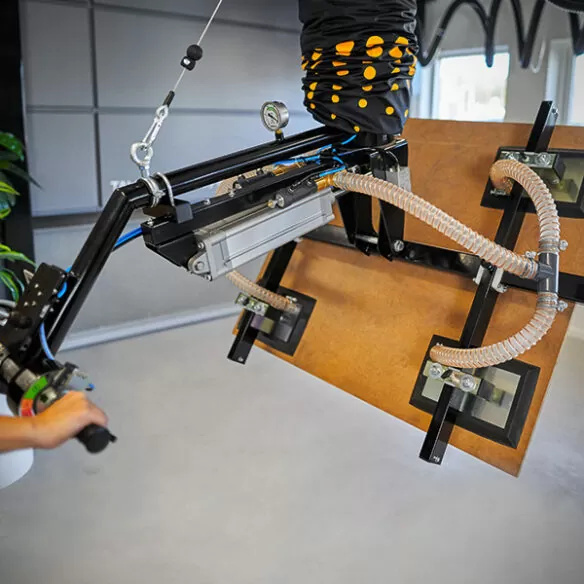
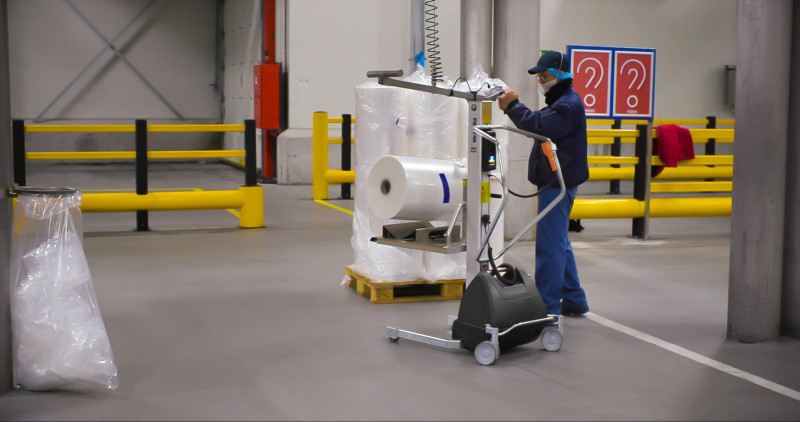
An introduction at Tech-Conn begins with a free on-site assessment. The experts walk the length of the production line and, for each production unit, examine what type and level of automation would replace the relevant work process. The recommendation is not always a robot: it could be a conveyor, an actuator system, an ergonomic vacuum lifter, a vacuum conveyor or an autonomous mobile robot (AMR). The assessment also indicates the cost range within which the solution can be implemented.
The second step is conceptual design and simulation, which, according to the company’s website, is followed by an on-site trial, or Proof of Concept: the demonstration robot operates on the client’s own production line, using the client’s own product, rather than in a simulation.
This is followed by the complete design of the cell, and then its manufacture. If the company opts for the robot as a project, Tech-Con’s technicians first assemble and programme the cell at their own premises.
This is followed by on-site installation and programming, which, in Viktor’s experience, takes two to three days for a simple task. For those who purchase the robot ‘in a box’ and integrate it themselves, the two-day training course provides the foundation.
The project concludes with a service visit.
An implementation at Tech-Con can even begin with an on-site test. A few years ago, the owner of a factory in Miskolc contacted the company with a request to automate their Chinese laser welder. As Viktor admits, they had neither experience nor any references of their own in welding technology, so their response was: let’s take the robot out there and see how it goes.
“We spent half a day with the technician getting the two devices to communicate with each other. We wrote a simple programme for it in an hour, which carried out a basic welding process, and I left them the demo robot: ‘Use it to manufacture parts, and give me a call if you get stuck’.” – recalls Viktor.
The technician taught himself robot programming and wrote further programmes. Seeing this, the owner immediately ordered two robots for the two welders, and later a third one with a longer reach: this became the UR20. During a subsequent visit, the owner, who was in his sixties, explained that if he’d calculated the return on investment at the outset, he wouldn’t have bought the robots, as they wouldn’t have paid for themselves within four years. He bought them because he saw the potential they offered and the improvement in quality they would bring.
On 24 September, Tech-Con held an open day at the University of Debrecen’s Vehicle Laboratory. Instead of lectures, the event featured demonstrations of working applications: one partner brought a welding cell; Tech-Con demonstrated its palletising application running on software it had developed in-house; and there was also an AI-based path-tracking application, supplemented by a camera system, in which the robot performs screwdriving or paste dispensing on a moving workpiece. Another partner presented assembly instructions based on virtual and augmented reality: the operator can see the next step through their glasses, as well as when the robot moves into the protected area.
“When I walk into a factory and watch a robot in action, I can tell straight away whether it’s been integrated properly or whether something’s seriously amiss.” – concludes Viktor Szaszkó.

If you’re unsure where it’s worth installing a robot and where it isn’t request a free on-site assessment from the Tech-Con robotics team. A good application is determined by the design, not by what’s inside the robot’s box.
Related news
Tech-Con Romania expands the boundaries of automation after 30 years in business with an automation portfolio featuring mobile robots, autonomous pallet transport and mobile collaborative robotics solutions.
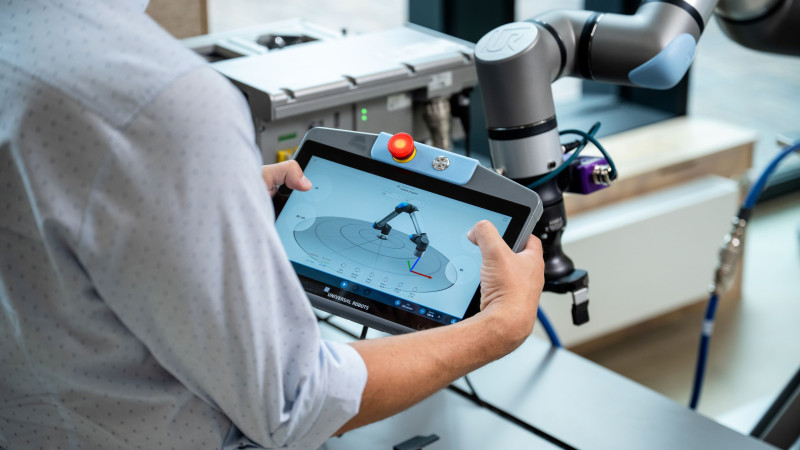
We are proud to bring you the next generation of physical AI and cobot technology. Universal Robots unveils Gen 7, a new platform for industrial automation and physical AI deployment.
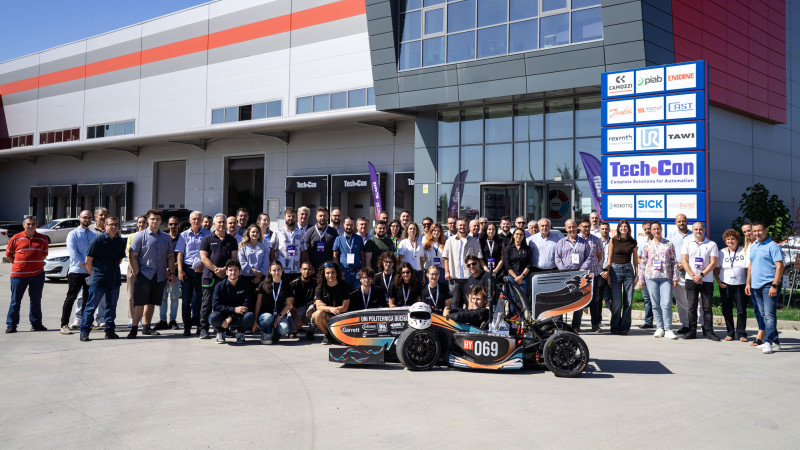
30 years of experience. 30 years of partnerships. 30 years of innovation. Thank you for being part of the Tech-Con story!

We are the official distributor of AirTAC pneumatic components in Czech Republic.
Interested in more details?
Do you need support for choosing the right product or solution from our portfolio? Share your inquiry below and we will get back to you shortly.